
BombBalm.co
Bleeding diaper rash is not the time to guess.
If diaper-area skin is bleeding, cracked open, blistering, hot, swollen, oozing, or spreading, call your child’s pediatrician. This page is for parent triage and gentle routine support, not diagnosis.
First move: call the pediatrician if skin is bleeding
A small raw spot and active bleeding are different levels of concern. If you see bleeding, pus, fever, blisters, fast spreading redness, or your child seems unusually uncomfortable, get medical guidance.
What usually makes it worse
- Scrubbing with wipes after every change.
- Putting a diaper back on while skin is still damp.
- Letting diarrhea or urine sit against already-rubbed skin.
- Trying random stronger products without knowing what kind of rash it is.
What gentle care looks like
- Rinse or pat clean instead of rubbing.
- Let the skin dry fully when possible.
- Use a protective layer only on clean, dry skin.
- Follow the pediatrician’s guidance if yeast, infection, or open skin is suspected.
Where BombBalm fits
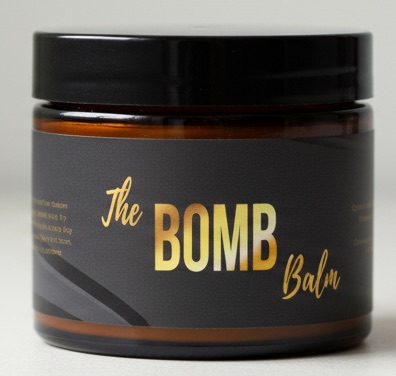
BombBalm can be part of a protective barrier routine once skin is clean and dry and you are not delaying medical care. It does not treat bleeding wounds, infection, yeast, or diagnosed skin conditions.
Editorial guides
More careful skin-routine reads
Diaper rash cream not working
What to adjust before you keep layering more cream.Bleeding diaper rash
When to call the pediatrician and how to lower friction.Raw diaper rash
A gentler routine for angry rubbed skin.Yeast vs regular diaper rash
When barrier care is not the whole answer.Adult rash balm
For rubbed, dry, sensitive adult skin.Chafing balm
Friction support for thighs, folds, uniforms, and heat.
What to adjust before you keep layering more cream.Bleeding diaper rash
When to call the pediatrician and how to lower friction.Raw diaper rash
A gentler routine for angry rubbed skin.Yeast vs regular diaper rash
When barrier care is not the whole answer.Adult rash balm
For rubbed, dry, sensitive adult skin.Chafing balm
Friction support for thighs, folds, uniforms, and heat.
BombBalm.co
Keep one clean jar in the drawer, bag, or bathroom cabinet.
Get the full-size 4oz jar with free contiguous-U.S. shipping and a 30-day money-back guarantee.